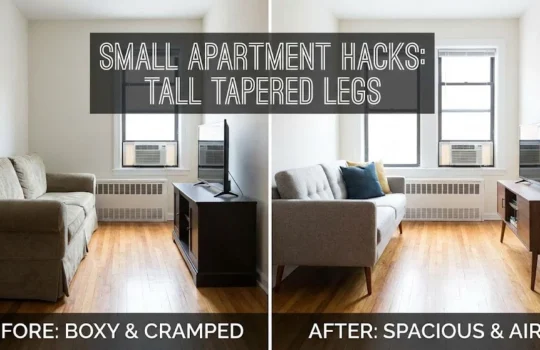
For the better part of the last decade, the world of interior design was obsessed with the “barely there” look. Influenced by a mix of Mid-Century Modern revivals and ultra-minimalist Scandinavian styles, our living rooms were filled with spindly metal hairpins and tapered, pencil-thin legs. While these designs offered a sense of “airiness,” they often lacked a certain soul.
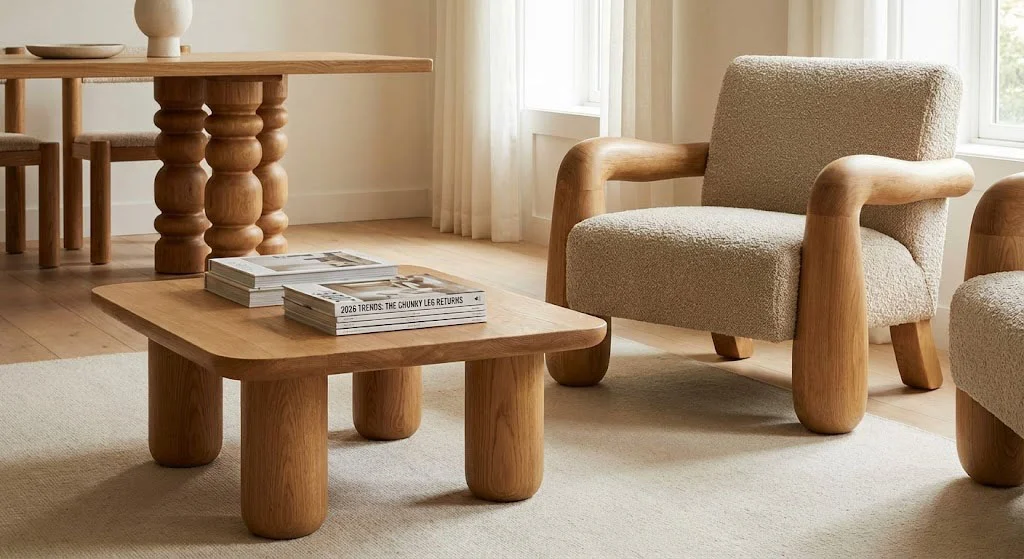
As we move through 2026, the pendulum is swinging back with authority. We are witnessing the rise of the “Chunky Aesthetic.” From thick, cylindrical pillars to bold, hand-carved blocks, furniture legs are no longer hiding—they are taking center stage.
But why now? And how can you bring this trend into your home without making your space feel heavy or dated? Let’s dive into why chunky wood legs are the definitive foundation of the modern American home this year.
The Psychological Pivot: Seeking a “Sense of Grounding”
In a world increasingly dominated by digital interfaces, AI-generated environments, and a fast-paced lifestyle, our homes have become our ultimate anchors. Interior designers in 2026 are noting a significant psychological shift: consumers are moving away from “fragile” looking furniture toward pieces that radiate stability and permanence.
A chunky wood leg—whether it’s a 4-inch diameter oak cylinder or a robust 6-inch square pedestal—provides a visual “weight” that reassures the brain. It says, “I am solid. I am here to stay.” This is the essence of the Grounding Trend. When you sit at a dining table supported by thick, honest timber, there is a subconscious feeling of safety and tradition that a thin metal rod simply cannot replicate.

The Evolution of “Quiet Luxury” and “Modern Heritage”
The trend of “Quiet Luxury” has evolved. In 2026, it’s less about brand names and more about materiality. Homeowners are looking for “Modern Heritage” pieces—new items that look like they could become heirlooms.
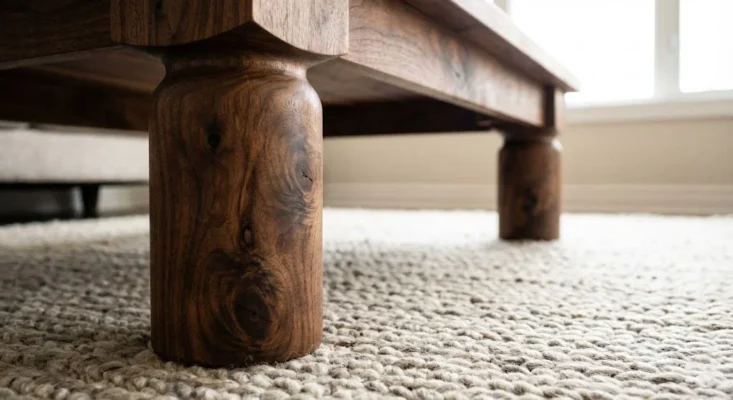
Chunky wood legs are the hallmark of this movement. They allow the natural beauty of the wood to be the hero. On a thin leg, the grain is a detail; on a chunky leg, the grain is the masterpiece. Whether it’s the deep, chocolate swirls of American Walnut or the honey-toned rays of White Oak, a larger surface area allows the wood’s story to be told. It celebrates the “imperfections”—the knots and burls—that prove the piece is real and sustainably sourced.
Structural Integrity: The “Wobble-Free” Promise
Beyond aesthetics, there is a very practical reason for this comeback: Functionality. Many Americans have grown tired of the “fast furniture” cycle—buying a stylish but flimsy desk only to have it wobble after six months of use.
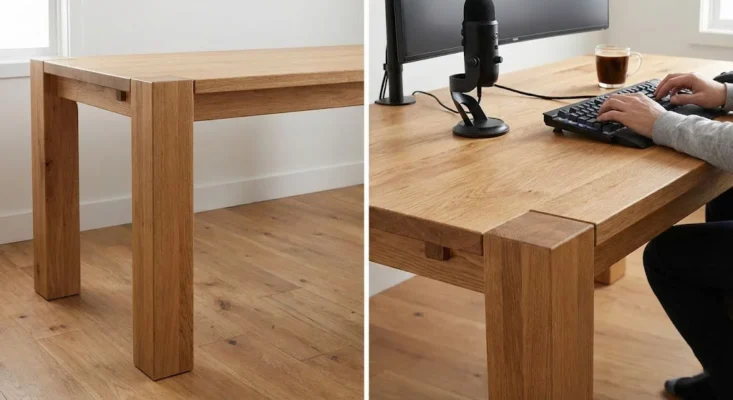
Chunky wood legs offer superior structural integrity. They provide a wider mounting surface, which translates to a more stable connection between the leg and the tabletop. For the growing number of people working from home in 2026, a “wobble-free” experience isn’t just a luxury; it’s a requirement for productivity. Whether you are typing on a heavy mechanical keyboard or using a high-fidelity microphone for a “Power Meeting,” you need a foundation that doesn’t budge.
How to Style the Chunky Look in 2026
The fear with thick furniture legs is that they can make a room look “clunky” or small. The secret to 2026 styling is Balance.
-
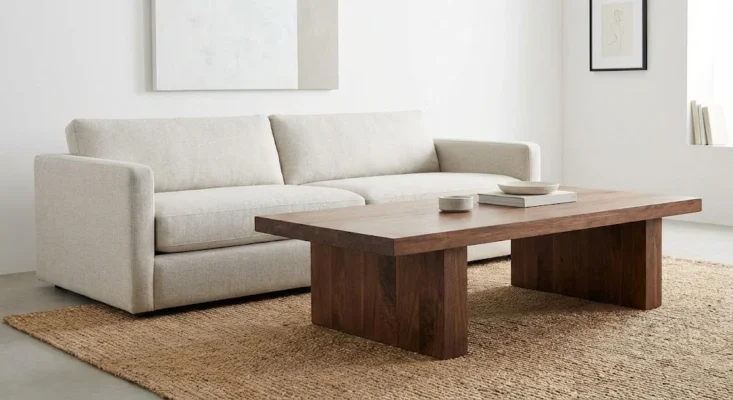
The Contrast Rule: If you choose a coffee table with heavy, 5-inch thick legs, pair it with a more streamlined, low-profile sofa. The contrast between the “heaviness” of the wood and the “softness” of the upholstery creates a sophisticated visual tension.
-
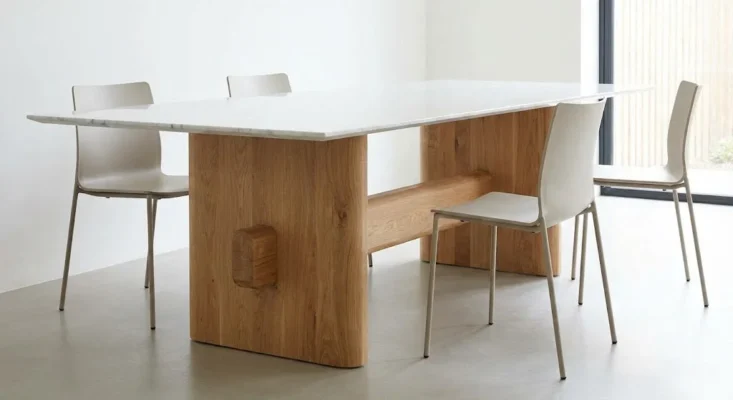
The Material Mix: Try a heavy wood base with a lighter top material. A thick, chunky oak base paired with a 1/2-inch glass or white marble top is a classic 2026 look. It provides the “boldness” of the trend without overwhelming the floor space.
-
The “Flared” Silhouette: Not all chunky legs have to be straight. Flared or “chubby” silhouettes—legs that are wider at the top or bottom—add an artistic, almost sculptural quality to the room. This is particularly popular in nursery furniture and accent chairs this year.
Sustainability: The Longevity Factor
In 2026, sustainability is no longer a buzzword; it’s a standard. The most sustainable piece of furniture is the one you never have to replace. Thin, hollow-core legs or plastic-filled alternatives are prone to snapping or stripping at the screw points. Solid, chunky wood legs are built for the long haul. They can be sanded, refinished, and repaired over decades. By choosing a robust wooden foundation, you are actively participating in a “slow-living” philosophy that rejects the throwaway culture of the past decade.
A Bold Step Forward
The comeback of chunky wood legs represents more than just a change in fashion. It is a return to craftsmanship, stability, and natural beauty. As we seek to make our homes more authentic and resilient, the foundation of our furniture is the perfect place to start.
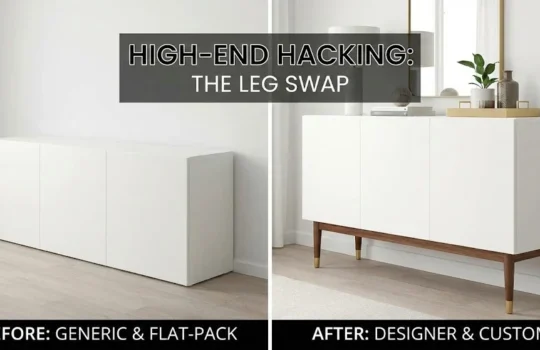
Whether you are embarking on a DIY “IKEA Hack” to upgrade your current sideboard or commissioning a custom dining table, don’t be afraid to go bold. In 2026, the strongest statement you can make is one that stands on solid ground.