In the design world of 2026, the home is no longer a static collection of showroom pieces. It has become a living, breathing canvas for self-expression and Adaptive Design. As we move away from the “disposable culture” of previous decades, the focus has shifted toward high-quality components that can be reimagined across different rooms.
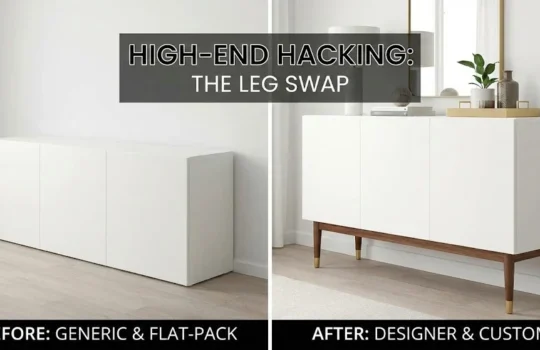
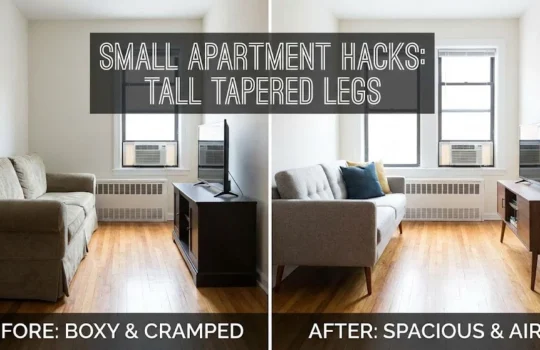
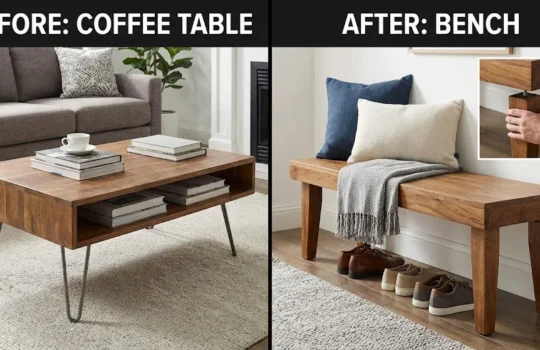
The most versatile tool in this movement? The replacement wood leg. While traditionally bought to fix a broken table or upgrade a sofa, these sculpted pieces of timber are being used by creative homeowners to “hack” their way into high-end, bespoke decor. If you have a set of solid oak or walnut legs and an afternoon to spare, here are five creative ways to use them that go far beyond the dining table.
1. The Elevated Jungle: Creating Custom Planter Stands
One of the biggest interior trends of 2026 is Biophilic Design, the integration of nature into every corner of the home. However, placing pots directly on the floor can look cluttered and make cleaning difficult.
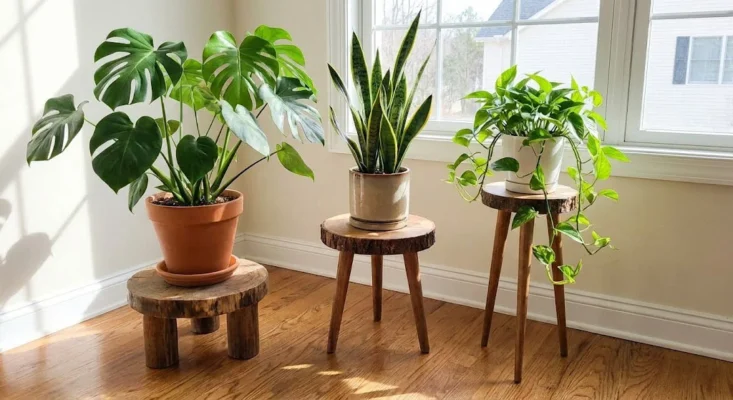
By attaching 6-inch to 10-inch tapered wood legs to a simple wooden disc or even a sturdy ceramic plate, you create a custom planter stand.
The Visual Impact: Elevating your plants creates “Visual Floor Area,” making your urban jungle feel organized rather than overgrown.
The Health Benefit: Lifting plants off the ground improves airflow around the base and protects your hardwood floors from trapped moisture.
Styling Tip: Mix heights. Use a 4-inch “chunky” leg for a large Monstera and a 12-inch “slender” leg for a trailing Pothos to create a tiered, professional look.
2. Pet-Centric Luxury: The Designer Pet Bed
In 2026, our pets are truly family, and “Pet-centric design” has become a billion-dollar industry. Instead of a floppy, unsightly floor cushion, why not build a piece of furniture that matches your sofa?
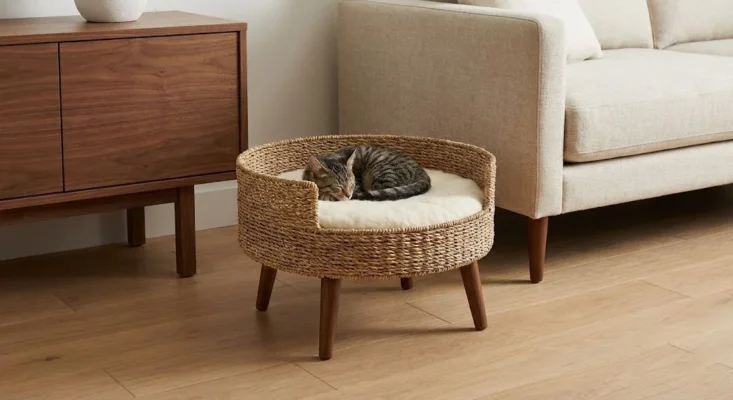
You can take a high-quality woven basket or a shallow wooden crate and attach 4-inch Mid-Century Modern legs.
“Elevating a pet bed isn’t just about looks; it keeps your furry friends away from floor drafts and provides a sense of security and ‘territory’ within the room.”
Matching the wood species (like American Walnut) of your pet’s bed to your living room furniture creates a seamless, “Quiet Luxury” aesthetic that traditional pet stores simply can’t offer.
3. The Ergonomic Home Office: Custom Monitor Risers
With the continued rise of the “Power Meeting” and hybrid work models, the home office is the most important room in the 2026 house. Ergonomics are no longer optional—they are a requirement for productivity.
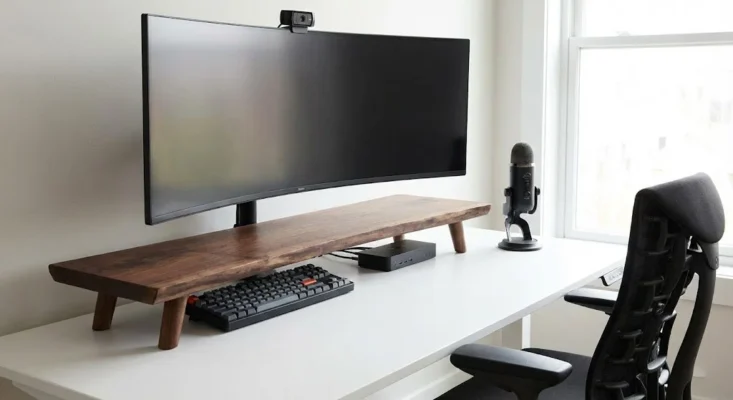
If your monitor is too low, you don’t need a clunky plastic stand. Instead, take a beautiful scrap piece of live-edge wood and attach 4-inch straight tapered legs.
Storage: The space underneath the riser becomes the perfect home for your mechanical keyboard or docking station when not in use.
Stability: Solid wood legs provide a “wobble-free” foundation that is essential for high-fidelity microphones and webcams.
Species Choice: Use White Oak for a bright, Scandi-inspired desk or Dark Walnut for a sophisticated, executive feel.
4. The Architectural Bookshelf Hack
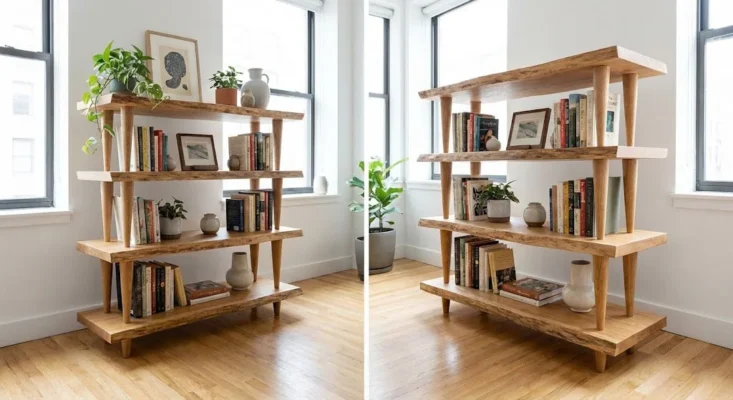
Most bookshelves are standard, vertical units that can feel heavy in a small apartment. A major “leg hack” hitting social media this year involves using wood legs as spacers between floating shelves.
Instead of mounting shelves directly to the wall, you can stack two or three thick wood slabs, separated by 12-inch wood legs in the corners. This creates an “open-architecture” shelving unit that looks like a custom piece from a boutique gallery.
The Look: It provides a 360-degree view of your books and decor, making the unit feel light and airy.
Flexibility: Because the legs aren’t permanently part of the wall, you can easily disassemble and move this unit if you transition to a new home.
5. From Floor Cushion to Designer Ottoman
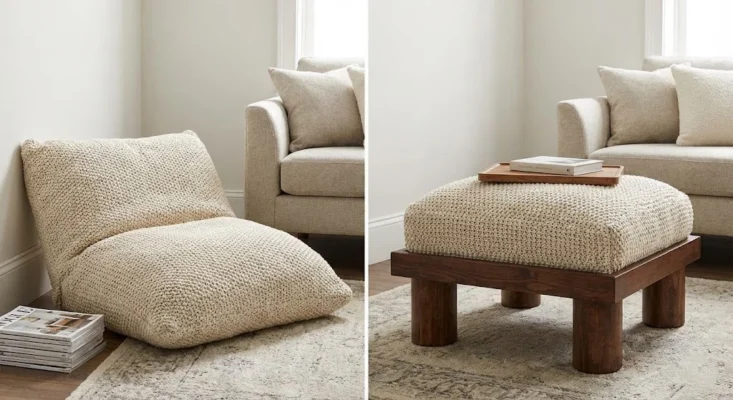
We all have that one floor cushion or oversized pillow that ends up in a corner. You can transform it into a functional piece of furniture by building a simple wooden base and adding 6-inch chunky wood legs.
This “Ottoman Revival” is a staple of the Sustainable Luxury movement. By choosing robust, 3-inch diameter legs, you create a sturdy footstool or extra seating for guests that radiates stability. It’s a 15-minute project that turns a piece of “soft goods” into a piece of “hard furniture,” instantly increasing the perceived value of your living room.
Choosing Your Hardware: The Technical Side
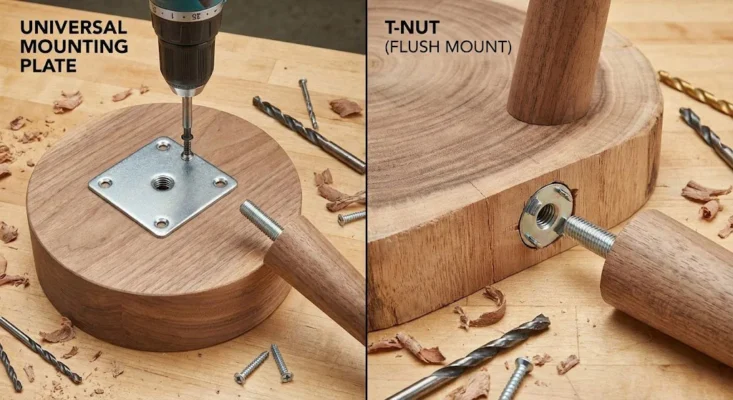
To pull off these creative projects, you need to understand the mounting process. Most replacement legs come with a standard M8 hanger bolt (an 8mm screw protruding from the top).
Universal Mounting Plates: For projects like planter stands or pet beds, you’ll likely need a mounting plate. This metal plate screws into your project base, and the leg simply twists into the center.
T-Nuts: If you want the leg to be flush with the wood without a visible plate, a T-nut is your best friend. It’s a small threaded insert that stays hidden inside the wood.
The Power of the Component
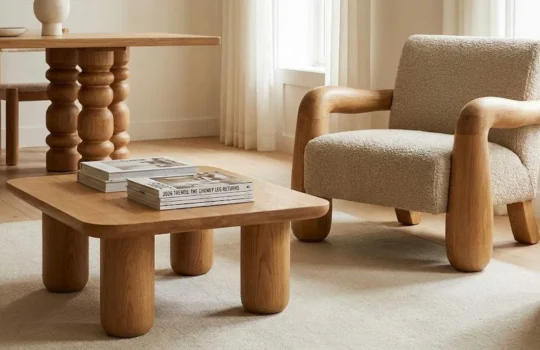
The beauty of the 2026 home lies in the details. By seeing a wood leg not just as a support, but as a sculptural component, you open up a world of DIY possibilities. Whether you are elevating a plant, a pet, or your own laptop, these small changes contribute to a home that feels curated, intentional, and uniquely yours.